Where It Started
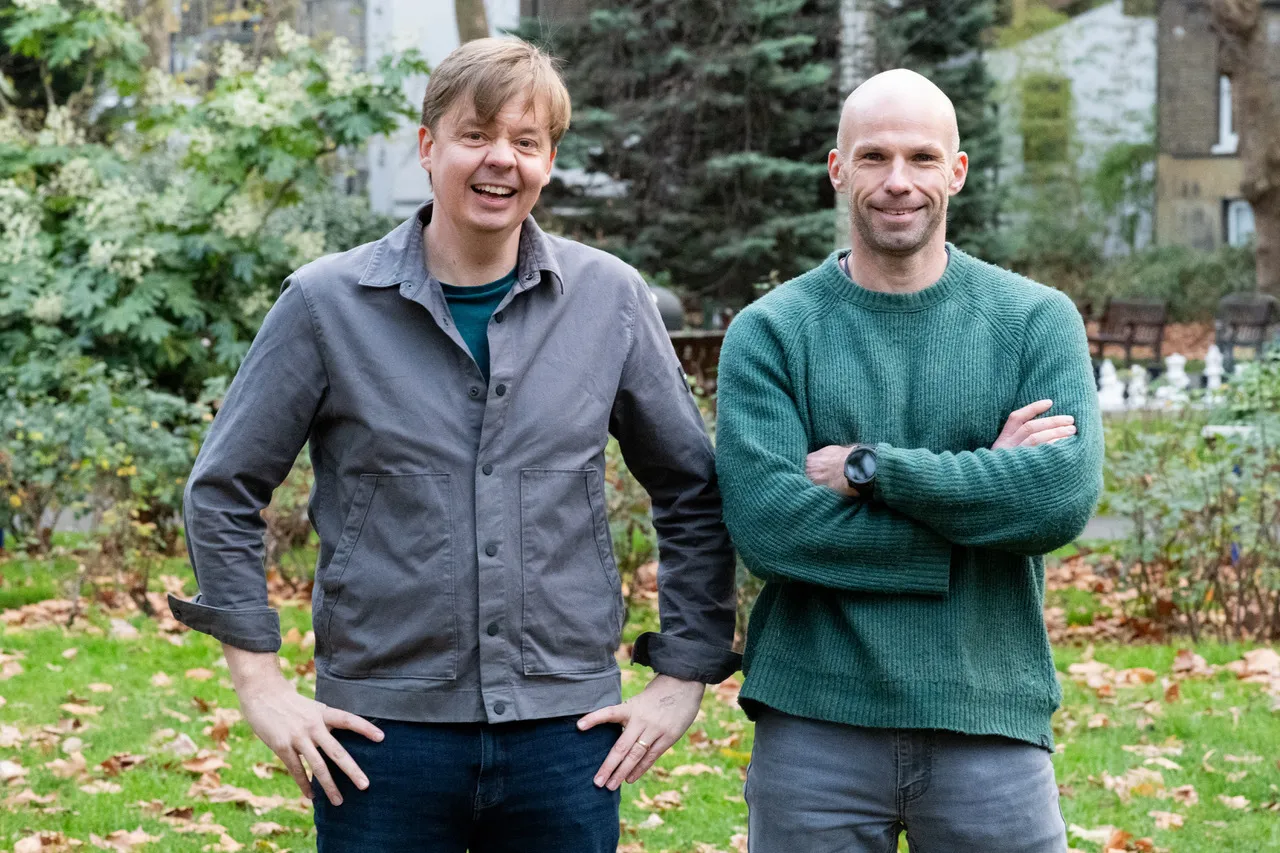
There's always a moment that stays with you. During the pandemic, my Co-Founder Ben and I were both in Number 10, watching decisions get made about lockdowns, restrictions, and national measures. Decisions that affected millions of people, made under pressure, with incomplete information about how the public would actually respond. The systems we had for understanding human behaviour simply weren't fast enough or accurate enough at the time. We sat in those rooms wishing we had tools that didn't exist yet.
That experience is why we founded Electric Twin. We're now building the tools we wish we'd had.
When you think about it, there has always been a gap in how well we can understand humans. We have never had good tools for predicting human behaviour - especially not at scale.
In 1687, Newton gave us laws of motion that let us predict how objects move through space. We can now simulate the trajectory of a rocket, the flow of air over a wing, the behaviour of particles in a reactor. Physics gave us genuine simulation capability centuries ago. But human behaviour has been stuck in the dark ages. We've accumulated facts, developed surveys, focus groups and panels, but as Ben likes to say: “a pile of facts is no more science than a pile of stones is a house.”
The breakthroughs in AI, particularly in large language models, are finally changing what's possible. These models are trained on vast datasets capturing human interactions and cultural norms across societies and time, representing patterns in how people think, decide, and respond. For the first time, we can build accurate behavioural simulations of how populations will actually behave.
This is not magic. It's science, which is why we brought in Professor Michael Muthukrishna as our Scientific Advisor. Michael is a behavioural scientist and Professor at the London School of Economics who has spent his career building generalisable theories of human behaviour. He’s deeply embedded in our work because he believes this technology can finally advance the field.
What Synthetic Audiences Make Possible
Our vision is a future where good decisions improve the world. That sounds grand, but it's actually quite practical. It's what happens when the gap between decision-makers and the people affected by their decisions gets smaller. When a product team understands what customers actually need before building. When a public health campaign resonates with the communities it's trying to reach. When leaders at every level can access real understanding, not just the ones with massive research budgets and months to spare.
We're building synthetic audiences to make this possible.
Today, even excellent research faces structural constraints. Studies take weeks and cost thousands of pounds, which means teams have to be selective about what questions they ask. By the time insights reach the people making day-to-day decisions, those decisions have often already been made on instinct, simply because the budget and timeline didn't allow for another study.
Synthetic audiences change this.
Organisations can ask unlimited questions and get accurate responses in seconds. The research evolves with your thinking. You can follow up, iterate, explore edge cases, test variations. Understanding becomes continuous rather than a snapshot that's already outdated by the time you read it.
How Far We've Come
Our platform combines large language models with social science research and machine learning to create synthetic audiences that genuinely predict how real people will respond. Academic research with the LSE found our platform delivers insights 10,000 times faster than traditional market research methods, at 95% accuracy. We've run nearly 40,000 evaluations covering 155 countries and the results hold up.
Last year, we ran what we believe is the first real-world comparison of synthetic audience predictions against conventional commercial research methodologies. Eight identical surveys across every major approach the industry uses: aggregator panels, opt-in panels, river sampling, microtask platforms. More than eight thousand respondents. Real commercial questions. In parallel, we generated predictions using our synthetic audience platform, making all predictions before the results came back, pre-registered, following best practices of scientific research.
The result was a mean absolute error of 0.05 against the baseline constructed from the average of traditional methods. Our synthetic audience predictions were indistinguishable from conventional research.
Why Accuracy Is What Matters
We share these results not to declare victory, but because we believe accuracy is the only thing that actually matters in this field. Without it, synthetic audiences are just a faster way to be wrong.
What The Funding Round Will Enable
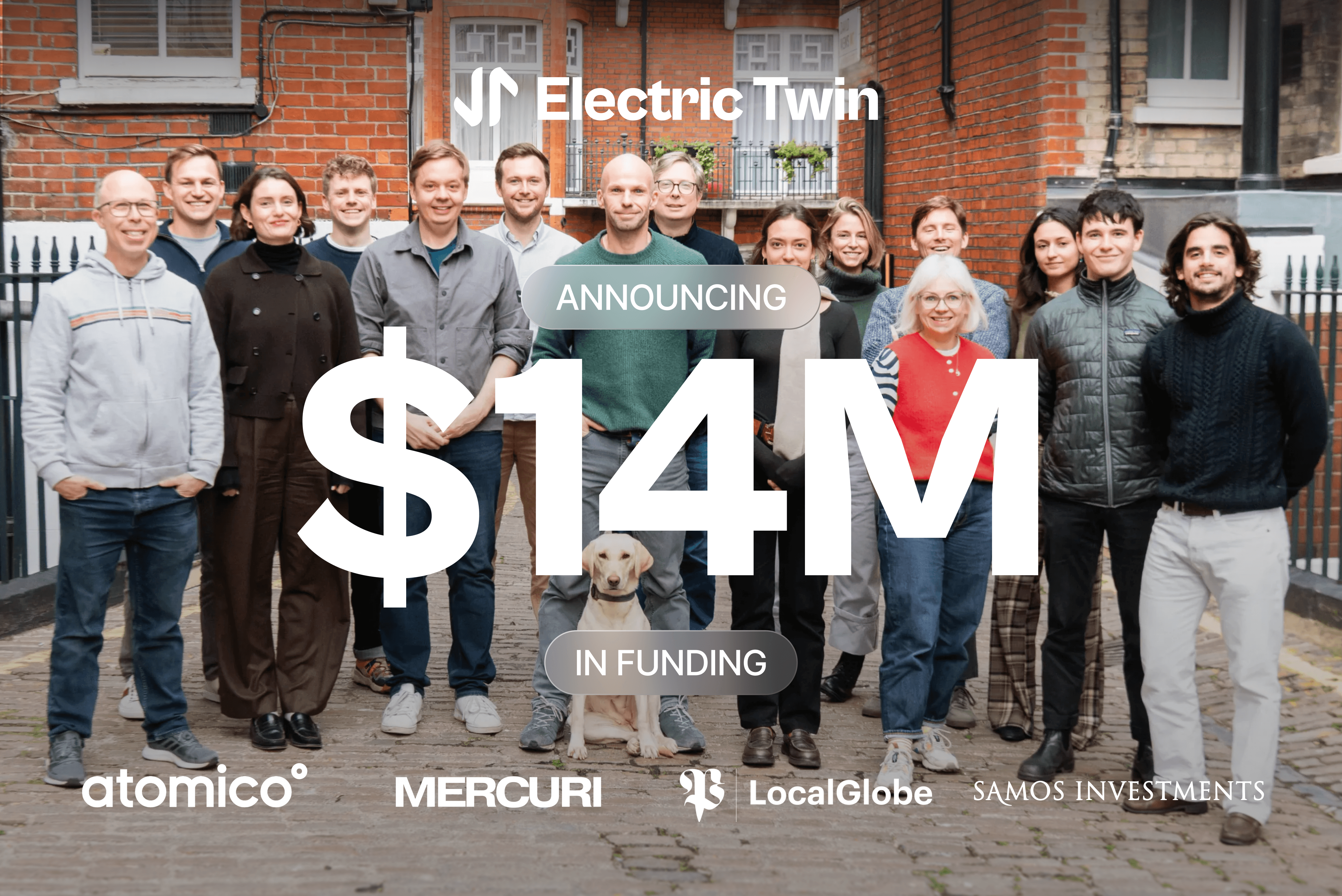
This funding allows us to grow the business: hire the very best people in commercial, product, engineering and data science; scale our GTM; and, revolutionise decision making. We want to keep pushing on the hard problems: more rigorous evaluation across populations and contexts, better accuracy, more transparent research that helps the entire field understand what synthetic audiences can and cannot do.
Whether you use synthetic audiences, focus groups, face-to-face interviews, or simply talk to people at the pub, you'll hear the same thing right now: a loss of trust. A feeling that the people making decisions no longer understand them. We've sat in rooms where we didn't understand people well enough. We've seen the true cost of this.
The key gap is not between methodologies. It's the gap in understanding between decision-makers and those impacted by their decisions. Closing that gap is what we're here to do. Ask them anything. That's our tagline. It's also an invitation for you to understand your audience better than ever.
Ask them anything. That's our tagline. It's also an invitation for you to understand your audience better than ever.
If you want to read more, here’s a recent article on us and the round.
https://tech.eu/2026/02/12/electric-twin-expands-ai-audience-platform-with-14m-round/