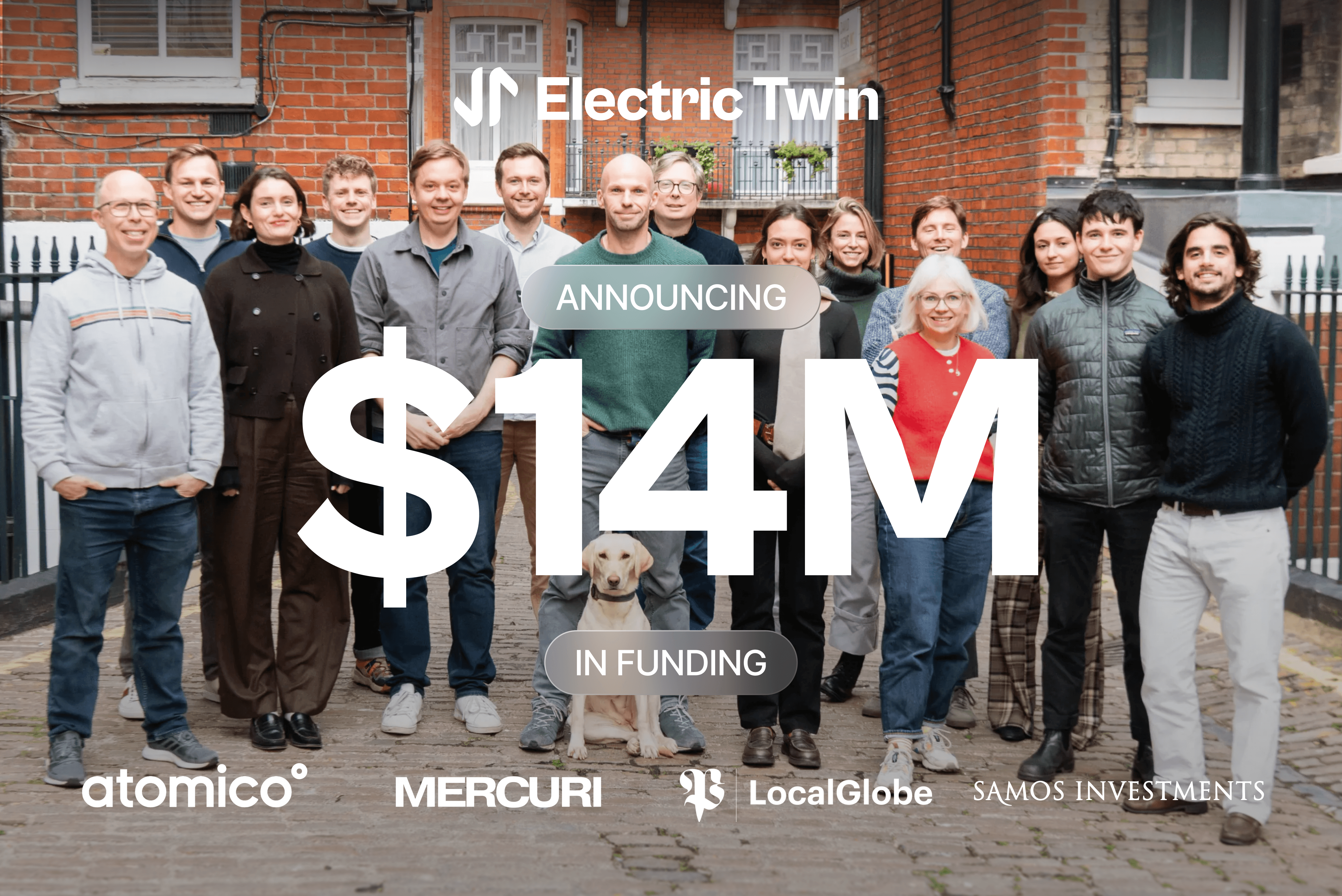

This is a big week at Electric Twin. Together with News UK, we've announced a new synthetic audience tool called Times ExplorAItion, built on top of The Times' first-party data and now open to advertisers planning campaigns with the publisher.
The Times is our first client. They were the first publisher to take synthetic audiences seriously.
The bet
We met The Times at a point where "synthetic audience" was still a phrase you had to explain in every conversation. Most people we spoke to wanted to wait. They wanted someone else to go first and derisk. They wanted a category that didn't yet exist.
The Times didn't wait. They saw what synthetic audiences could do for their business, for editorial, for product, for advertisers, and they backed our product when it was still very new.
Going first costs more than going second, and The Times paid that cost.
Months of work later, what started as a pilot has become a product and that product is what they're announcing today.
What Times ExplorAItion is
Times ExplorAItion is an audience simulation tool built by News UK on top of Electric Twin. It pulls together stripped-back subscriber behaviour, reader panels, engagement data, and PAMCo industry data (the UK's industry-standard cross-platform measurement of publisher audiences across print, web, and app), and feeds it into Electric Twin's modelling platform to generate synthetic versions of The Times' key audience segments. None of it uses personal data.
It's essentially a synthetic focus group of a Times audience, available instantly. It sits on top of News UK's first-party data infrastructure.
Who it's for, how it works
It's for advertisers and agencies planning campaigns with The Times, and for News UK's own internal teams.
In practice, you pick an audience (e.g. Times business decision-makers, parents reading the new family channel, high-net-worth subscribers) and ask them what you'd ask a research panel.
Which of these three propositions resonates most?
Why does this creative direction land?
What's missing from this concept?
You can keep asking. The conversation doesn't stop after the first thirty responses, because the people aren't real, but the data they were modelled on is.
News UK is currently offering Times ExplorAItion as a value-add inside branded content deals with The Times.
What it enables for advertisers
Take this example A campaign brief lands on an advertiser's desk. They want to know if their headline will resonate with Times subscribers. They want to compare two creative directions before committing budget. They want to explore what's missing from the proposition.
Traditional research can answer all of that the process just takes longer. You have to recruit a panel, run the survey, and then wait six weeks. By then, the brief has often changed or the budget has been reallocated. And the audiences brands most want to reach (e.g. high-net-worth individuals, business decision-makers, time-poor senior leaders) are the hardest and most expensive to recruit. Cost piles up fast.
Times ExplorAItion gives advertisers the same kind of input in minutes. Test ten messages instead of two. Pressure-test a proposition before committing budget. Iterate creative over and over.
Charlie Celino, News UK's Commercial Director, said it well in Digiday: "It's a significant cost reduction. CMOs are fighting for every single pound at the moment and trying to show ROI."
How The Times uses it internally
This isn't a launch from cold. The tool has been running quietly inside News UK for months, doing real editorial and product work.
When The Times consolidated its parenting coverage into a dedicated channel, the marketing team used Electric Twin to understand: what was missing for younger, often female readers; how the section should be framed; how to name it; even how to brand it visually. Work that would normally take weeks of qualitative fieldwork ran as a sprint of synthetic conversations alongside other inputs.
When News UK rolled out "bonus accounts" (the feature that lets premium subscribers share access with three friends and family members), Electric Twin helped shape the naming, the comms, and the priority case for shipping it. Subscribers using bonus accounts now show higher perceived value and better retention than comparable subscribers who don't use them.
Across The Times and Sunday Times more broadly, the digital subscriber base now stands at 659,000, up 7% on the year. Decisions that would have taken weeks now take hours, across editorial, product, and subscription marketing.
What's next
News UK plans to extend the approach across other brands in the group, including The Sun and its broadcast brands. The advertiser rollout for The Times and Sunday Times comes first.
For other publishers reading this: if you have a clean, deep first-party dataset, this works for you too. The hard work isn't the technology. It's the data foundations and pointing the modelling at decisions that are actually being made.
For advertisers reading this: if you run campaigns with The Times or Sunday Times, ask your News UK contact about Times ExplorAItion. If you don't, and you want to see what synthetic audiences look like on top of your own first-party data, get in touch.
To the team at News UK: thank you for going first.
Excited to see who moves next.
Read the Digiday coverage here: News UK turns The Times’ first-party data into synthetic audiences for advertisers.